
Automotive Aftermarket Contract Manufacturing
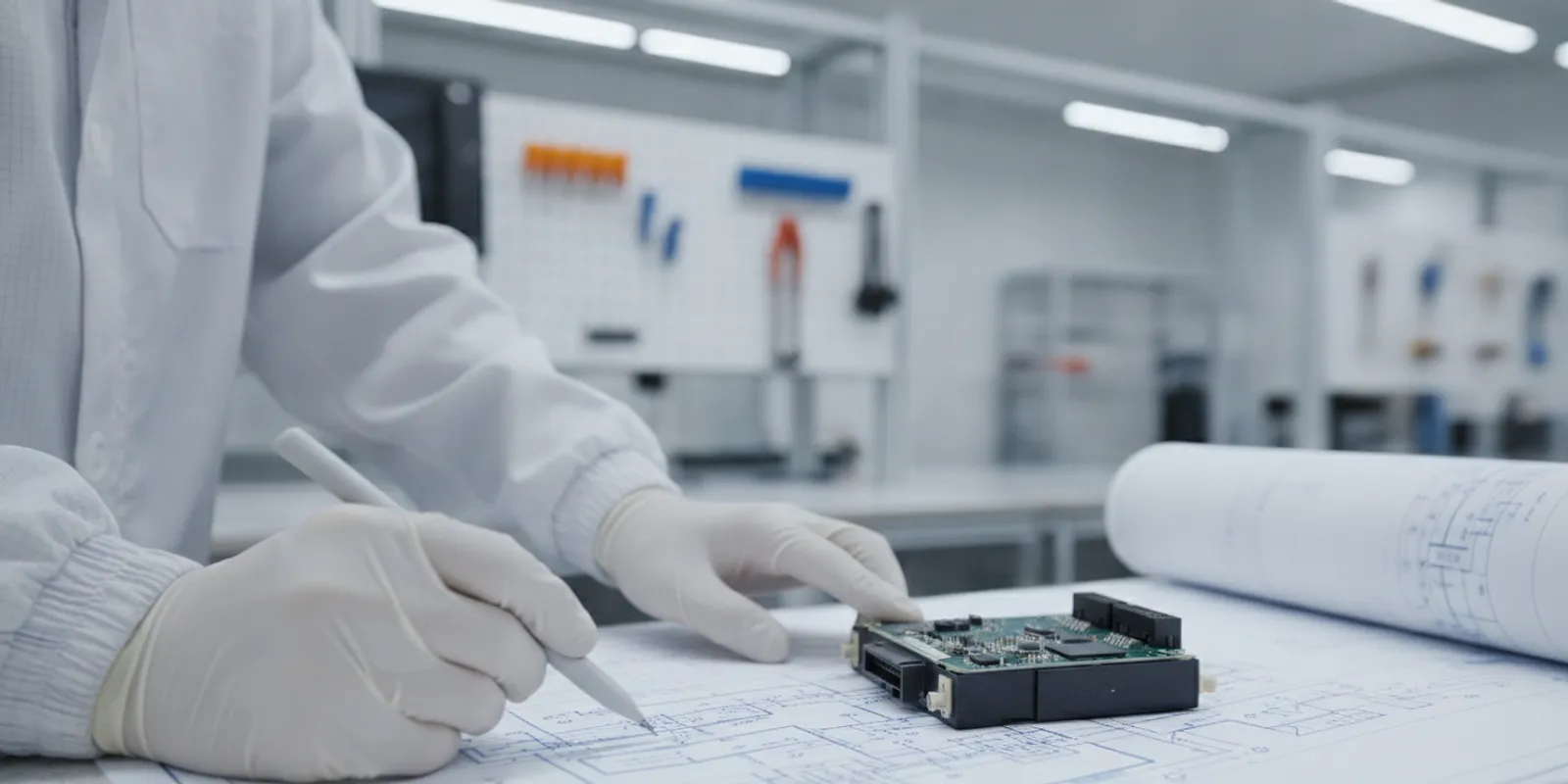
Automotive aftermarket contract manufacturing is not a single process or a standard package. A replacement component, an electronic assembly, and a complete product may call for different capabilities, evidence, and supplier coordination. Buyers can make a better choice by defining the part and its requirements first, then checking whether a manufacturer can explain the proposed process, controls, and handoffs.
What does automotive aftermarket contract manufacturing cover?
The phrase describes outsourcing some or all of the work needed to make aftermarket products or components. It does not identify a particular production method. Depending on the design, a program may involve a mechanical part, an electronic assembly, a cable or harness, or a product that combines several elements.
Start by separating the work into categories:
- Part or assembly: Is the requirement for one component, a board assembly, a cable assembly, or a finished assembly?
- Development status: Are drawings and specifications released, or does the design still need engineering review?
- Production scope: Does the buyer need manufacturing only, or coordination that may include tooling, testing, packaging, and fulfillment?
- Program context: What demand assumptions, revision controls, and acceptance criteria should the supplier use to evaluate the request?
These distinctions help prevent a generic supplier conversation from skipping the questions that determine process fit. EMS Technologies describes capabilities including design and engineering, tooling, injection-molded plastics, metal injection molding, metal stamping, die casting, machining, PCB assemblies, cable assemblies and wire harnesses, magnetics and coil winding, turnkey assembly, packaging and fulfillment, and program management. The manufacturing services overview is a useful starting point for mapping a product requirement to a listed capability.
How should you define the aftermarket part before approaching a supplier?
Build a concise, controlled description of the part and the intended manufacturing outcome. The goal is not to prescribe a supplier's method prematurely. It is to give each candidate the same information so that responses can be compared.
Identify the part and its function
Give the part name, drawing or model number, revision, and a plain-language description of what it does. Identify interfaces with adjacent components, especially when fit, electrical connection, sealing, movement, or mounting affects performance. If the part replaces an existing item, state what information is authoritative: a current drawing, sample, specification, or another controlled source.
Do not assume an old sample is a complete specification. Note any known changes from the original design and identify dimensions or features that are critical to fit or function. Where the design is not fully defined, say what remains open and ask the supplier to identify the additional information needed for a useful review.
Describe materials, finishes, and critical characteristics
List material requirements and any applicable finish, color, marking, or environmental conditions. Separate mandatory requirements from preferences. If a particular material is specified, make its grade and governing specification clear. If material selection is open, invite a documented recommendation rather than leaving the choice implicit.
Identify characteristics that need inspection or verification. Avoid labels such as “automotive quality” without a measurable requirement or an agreed method. Explain what must be checked, what records are expected, and how the buyer will review deviations. The specification and acceptance plan should be explicit enough that supplier proposals address the same expectations.
Clarify volume assumptions and revision control
Share the demand information available for planning, such as an initial order estimate and an expected pattern of repeat demand. Distinguish forecasts from firm commitments. Do not assume a supplier's minimum order, capacity, or lead time; ask for project-specific confirmation.
State how drawings and specifications are controlled. Name the current revision, indicate how proposed changes will be reviewed, and describe how the supplier should handle superseded files. This is especially important when aftermarket products have multiple variants or when engineering changes affect interchangeability.
Which manufacturing process should you evaluate?
Process selection depends on geometry, material, function, production expectations, and the evidence required to accept the output. A supplier should explain why a proposed process suits the part and what assumptions remain. It is reasonable to evaluate more than one route when the design and business case allow it.
| Requirement pattern | Possible discussion | Questions for the supplier |
|---|---|---|
| Plastic part with defined geometry | Injection-molded plastics and tooling | What design details affect tooling, part quality, and sample review? |
| Metal part with specified shape and material | Metal stamping, die casting, machining, or metal injection molding, depending on the part | Why does the proposed process fit the geometry, material, and stated demand? |
| Electronic function on a board | PCB assembly | What files, component information, testing expectations, and revision controls are needed? |
| Electrical connection between components | Cable assemblies and wire harnesses | How will connector, wire, routing, and test requirements be defined? |
| Multiple components delivered as a product | Turnkey assembly, with relevant packaging and fulfillment scope discussed separately | Which steps are included, and where do supplier or partner handoffs occur? |
The table is a conversation guide, not a process-selection rule. A listed capability does not by itself prove that a particular part is suitable, that every step occurs at one site, or that a given regulatory approval applies. For electronics, review the provider's stated PCB assembly capabilities and ask what project-specific engineering and testing information is needed.
Use the product architecture to frame process questions
For a product with both mechanical and electrical elements, do not treat the bill of materials as the entire manufacturing plan. Identify which components arrive as purchased parts, which require fabrication or assembly, and which interfaces need verification after integration. For example, a control unit may require a board assembly, enclosure, cable connections, and final mechanical assembly. Each element can have its own acceptance criteria, while the completed unit may need a separate functional check.
Ask the supplier to show the proposed sequence at a level that exposes dependencies: when components are sourced, when subassemblies are tested, when revisions are reconciled, and what information follows the product to final assembly. A process map can reveal an important gap that a capability list does not, such as a test step that has no defined pass criteria or a connector interface whose drawing is missing.
When one supplier proposes multiple processes, clarify which operations it performs directly and where outside partners may be involved. This is not a presumption that a partner is unsuitable. It is a way to understand responsibility for specifications, inspection records, changes, and delivery between stages. For a multi-process product, a clear handoff plan matters as much as the list of available methods.
What quality evidence should an aftermarket buyer request?
Ask how the supplier will translate your requirements into controlled production and inspection activities. A useful response connects the drawing and acceptance criteria to the proposed process, checkpoints, records, and treatment of nonconforming output. General assurances are less useful than a concrete explanation tied to your part.
- Requirement review: Which specifications, revisions, and critical features will guide the work?
- Process controls: What steps will be monitored or documented, and how will changes be controlled?
- Inspection and testing: Which characteristics will be inspected, by what method, and at what stages?
- Records: What inspection, test, material, or traceability records can be provided for the program?
- Nonconformance handling: How will a deviation be reported, contained, investigated, and resolved with the buyer?
Request evidence that matches the scope under consideration. A certification or quality-system document must be checked for its named entity, site, scope, and validity conditions; do not infer that it covers every location, process, or regulated application. EMS Technologies identifies a specific SGS ISO 9001:2015 certificate for EMS Technologies Co., Ltd. in Taichung, Taiwan, covering production management of electro-mechanical products and subject to surveillance audits. That scoped information should not be extended into claims about automotive or medical-device approval.
For broader context on the company's stated quality approach, review its quality control information, then ask how the described controls apply to the actual part and production location being proposed.
Make the evidence part-specific
For a mechanical component, translate the drawing into a short list of critical characteristics and agree on how they will be checked. A dimension may need a defined measurement method; a finish or marking requirement may need a visual standard or sample; a functional interface may need an agreed fit check. If the drawing contains general tolerances, identify whether they are sufficient for the features that control assembly or performance.
For an electronic assembly, ask which electrical or functional tests are proposed and what constitutes a passing result. Make sure the test setup, software or firmware revision where applicable, and test records are understood before production begins. For a cable assembly, define the connector, pinout, routing, and any continuity or functional checks needed. Do not rely on a generic statement that products are tested: connect each requested test to a documented requirement and disposition path.
Ask how a change to material, component source, process, or test method will be communicated and approved. If a deviation occurs, establish who is notified, what product is contained, and who authorizes a disposition. A buyer should know whether the supplier will pause affected work pending direction or follow an agreed deviation process. These points turn quality expectations into operating decisions instead of assumptions.
How do you assess program coordination and handoffs?
Aftermarket programs can involve engineering files, sourcing, production, inspection, and delivery planning. Ask who coordinates the open questions and how decisions are documented. A clear owner and a defined communication path can reduce the risk that a drawing clarification, test requirement, or change request is lost between functions.
Discuss the program sequence in practical terms:
- Confirm the inquiry package is complete enough for review.
- Identify questions about design, materials, process, or acceptance requirements.
- Review any proposed tooling or process assumptions before committing to them.
- Agree on sample or prototype expectations and who will approve them.
- Define how production readiness, revisions, inspection, and shipment-related responsibilities will be handled.
Do not treat a general service description as a promise of a fixed schedule, quote turnaround, or shipping arrangement. Request project-specific terms in writing. EMS Technologies describes program management across RFQ, proposal, purchase order, procurement, kitting, testing, shipment, and fulfillment; its program management page can help frame questions about coordination and responsibility.
Plan decisions around variants and lifecycle changes
Aftermarket demand may involve more than one fit, finish, connector, or application. Treat each variant as a controlled configuration, not as an informal note on an otherwise shared part number. Provide a variant matrix showing what changes, what remains common, and which specifications apply to each configuration. Ask the supplier to reflect those distinctions in quoting, production documents, inspection plans, and labeling discussions.
When a design change is proposed, identify its effective date and how remaining material or work in process will be treated. A change that appears minor to one team can affect fit, sourcing, test fixtures, packaging, or interchangeability. Record the approved revision and the decision owner, then confirm that both buyer and supplier are using the same release before production resumes. If a legacy sample conflicts with a current drawing, resolve the conflict explicitly rather than allowing the sample to become an undocumented standard.
For a product with a long service life, ask how the program will surface component availability concerns and engineering questions. Avoid asking for a guarantee that cannot be supported by the available information. Instead, agree on what notification, review, and approval steps apply when a component or process needs attention.
What should an RFQ for aftermarket manufacturing include?
A well-prepared request for quote (RFQ) lets a supplier assess the same scope that other candidates receive. Before sending files, confirm the preferred submission channel and any file-handling requirements. Organize the package so the supplier can distinguish approved requirements from background information.
- Part name, number, current revision, and product description.
- Controlled drawings, models, specifications, and bill of materials, as applicable.
- Material, finish, marking, packaging, and labeling requirements.
- Critical dimensions, functional requirements, inspection criteria, and test expectations.
- Known annual or launch demand assumptions, clearly labeled as estimates or commitments.
- Required production scope, including tooling, assembly, testing, packaging, or fulfillment if applicable.
- Sample or approval expectations and the buyer's decision process.
- Requested quote breakdown, including assumptions, exclusions, and any unresolved questions.
- Contact details for technical, sourcing, and program decisions.
Ask suppliers to identify missing information instead of silently filling gaps. Request that proposals state the assumed process, site or partner involvement where relevant, tooling assumptions, quality activities, open risks, and commercial terms. The aim is a comparable basis for evaluation, not a promise that every supplier will use identical methods.
Organize a package that supports a useful review
Use a simple index for the files and state which documents control if two sources conflict. A practical package might include a revision-controlled drawing, a bill of materials, a specification, a test requirement, and a demand scenario. Give each file a clear name that includes the part number and revision. Mark obsolete references as background only, and avoid sending duplicate files without explaining which one is current.
Separate questions that need a technical answer from commercial preferences. For instance, state that a material grade is mandatory while a packaging configuration is open to supplier input. If a supplier can recommend a different process, ask it to identify the design or volume assumptions behind that recommendation. This gives engineering a meaningful basis for review without turning every preference into a hidden acceptance condition.
Before sharing sensitive drawings, confirm that the communication channel and any confidentiality arrangements are acceptable to your organization. Include the correct buyer contacts for engineering clarifications, sourcing decisions, and program coordination. When questions arrive, answer all candidates consistently and circulate revised RFQ documents with a clear revision history so comparisons remain fair.
How can you compare supplier proposals?
Compare proposals against the requirements you provided, not only the headline price. A low initial figure may omit tooling, testing, packaging, or other requested scope; a detailed proposal may reveal assumptions that need negotiation. Ask each supplier to clarify exclusions before you select a direction.
- Scope alignment: Does the quote address the required parts, processes, tests, and deliverables?
- Technical reasoning: Can the supplier explain the proposed process and the design details that influence it?
- Quality fit: Are inspection and test activities tied to your acceptance criteria?
- Risk transparency: Are dependencies, open questions, and proposed mitigations visible?
- Program ownership: Is it clear who coordinates engineering decisions, changes, and production questions?
- Commercial clarity: Are pricing assumptions, tooling treatment, exclusions, and other terms stated for review?
Use a consistent comparison sheet and record follow-up answers. When two suppliers propose different processes, ask each to explain the trade-offs and what evidence would validate the recommendation. Keep your engineering, sourcing, and program stakeholders aligned on which requirements are fixed and where alternatives may be considered.
Work through a proposal comparison example
Suppose two proposals address a replacement enclosure and an associated electronic assembly. One includes tooling and a defined sample review but leaves functional testing unclear. The other describes board testing but treats enclosure fit as a buyer-provided check. Neither response is automatically better; each has a scope gap. Return to the requirement list and ask both suppliers to price or describe the missing activity, state assumptions about the interface, and identify the evidence provided before production release.
For a second case, consider two machining proposals for a low-volume metal component. One proposes a route that closely follows the drawing; the other recommends a process alternative based on its interpretation of demand. Ask both to explain the feature-level implications, inspection approach, and any design changes needed. Then have engineering determine whether the alternative preserves function and interchangeability. A proposal is comparable only when technical assumptions and deliverables are visible alongside commercial terms.
Record the final decision with the requirement, evidence, and owner attached. If the team accepts an exception, document its boundary and duration rather than treating it as a permanent revision by default. This creates a traceable basis for later orders and for evaluating whether the proposed process continues to meet the program's needs.
What should happen after the proposals are compared?
Before issuing a purchase order or starting production activity, close the questions that could change the part, process, or acceptance decision. Confirm the active drawing and specification revisions, the approved process assumptions, and what constitutes acceptable samples. If tooling is part of the proposal, document the agreed scope, ownership, maintenance expectations, and conditions for any transfer or later modification rather than relying on an informal understanding.
Set a decision log that captures open item, responsible owner, due date agreed by the parties, and closure evidence. Keep this distinct from a general meeting summary: the log should identify exactly which drawing note, test method, material choice, or commercial exclusion remains unresolved. When an item is closed, record the decision and distribute the controlling document or approved change. This reduces the chance that different teams continue working from different assumptions.
For sample review, define how the buyer will evaluate fit, function, appearance, and documentation. If a sample is not accepted, identify the observed issue and the next decision needed. If it is accepted with a deviation or limited-use condition, describe the boundary and whether another approval is needed before routine production. A sample approval should not silently replace the released specification unless the buyer has formally changed that specification.
Then agree on readiness criteria for moving into production. These may include approved documents, resolved critical questions, agreed inspection or test plans, and clarified responsibilities for supply, packaging, and delivery. The criteria should reflect the program; they are not a universal checklist imposed on every aftermarket product. Ask the supplier to state any remaining dependencies so a production decision is based on visible facts, not optimism.
How should you handle replacement-part fit and interchangeability?
Aftermarket products often need to work with an existing system whose original design records may be incomplete, unavailable, or spread across teams. The buyer should separate “matches the sample” from “meets the functional requirement.” A sample can help clarify shape and interfaces, but it may represent an old revision, accumulated wear, or a one-off build. Use it as evidence only after deciding how it relates to the controlled requirement.
For parts that mate with existing components, identify the interface dimensions, mounting points, connector orientation, sealing surfaces, or movement envelope that determine fit. Indicate which measurements are critical and whether the supplier can use a provided mating part, fixture, or defined gauge during review. If the assembly is safety-sensitive or has a special application requirement, bring the appropriate engineering and compliance reviewers into the definition rather than asking the supplier to infer requirements from the word “automotive.”
Consider a replacement cable with a connector that appears identical to the original. A visual match does not establish that the pinout, wire specification, length, routing, or electrical behavior is correct. Provide a controlled wiring diagram and identify the tests needed to verify the build. Likewise, a replacement housing may look right but interfere with a seal or neighboring component if a key dimension is not defined. Interface-focused requirements help catch those gaps before a sample is mistaken for final approval.
When interchangeability is a stated goal, define what the part must interchange with and under what conditions. The reference might be a particular assembly revision, an identified mating component, or a documented set of interface requirements. Keep that basis in the RFQ and sample review records. Without it, different reviewers may use different reference products and reach conflicting conclusions.
How can teams manage demand and product variants?
Demand planning for aftermarket parts can be less uniform than a single stable annual quantity suggests. Orders may depend on service needs, customer programs, seasonality, or a transition from an existing source. A supplier needs usable planning inputs, but a forecast is not the same thing as a purchase commitment. Label each quantity by period and confidence, and ask the supplier to state what assumptions it uses when discussing sourcing, tooling, and production arrangements.
Build a simple demand scenario with separate lines for launch quantities, expected repeat orders, and plausible low or high cases. The purpose is to reveal whether a proposed process or commercial model depends on a particular volume assumption. Do not present a scenario as guaranteed demand unless your organization is prepared to commit to it. Ask the supplier to explain where a different scenario would change its recommendation, and request a revised comparison if the underlying assumption changes.
For multiple product variants, create a matrix with one row per configuration and columns for part number, revision, material, connector or interface, finish, test requirements, and packaging or labeling distinction. Mark common components separately from variant-specific ones. A supplier can then identify whether the configurations share a process or need distinct work instructions, inspection criteria, or approvals. This also helps sourcing avoid comparing a quote for one configuration with a quote that silently includes several.
When the portfolio changes, define how obsolete material and open orders will be handled. A new revision may not be compatible with inventory built to an earlier release. Agree on who decides whether existing stock can be consumed, reworked, held, or otherwise dispositioned. Record the decision against the affected part and revision, and make sure the change is reflected in future RFQs and purchase documents.
Prepare for a focused manufacturing discussion
Before selecting a partner, confirm the product definition, required process, quality evidence, and responsibilities for each handoff. This makes it easier to identify a proposal that fits the actual aftermarket program rather than a broad label.
EMS Technologies works with OEM and ODM buyers on mechanical and electronic manufacturing requirements, with engineering and program management support described across its service portfolio. Share the part scope and key questions to begin a project-specific conversation.
Discuss your manufacturing requirements
Prepare a controlled RFQ package, compare responses against the same acceptance criteria, and confirm project-specific responsibilities before moving forward.