
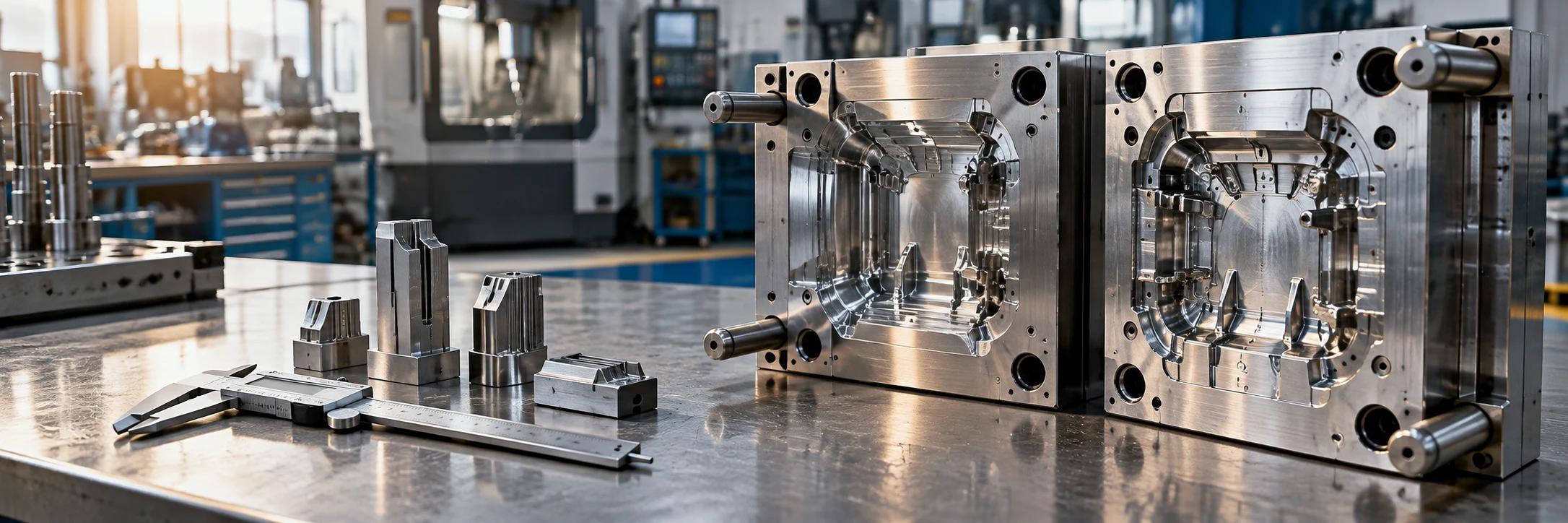
From drawing to die
Shape the tooling approach around your part, material and required features.
Tooling, dies and stamping operations developed around your drawing, material and finished-part requirements.
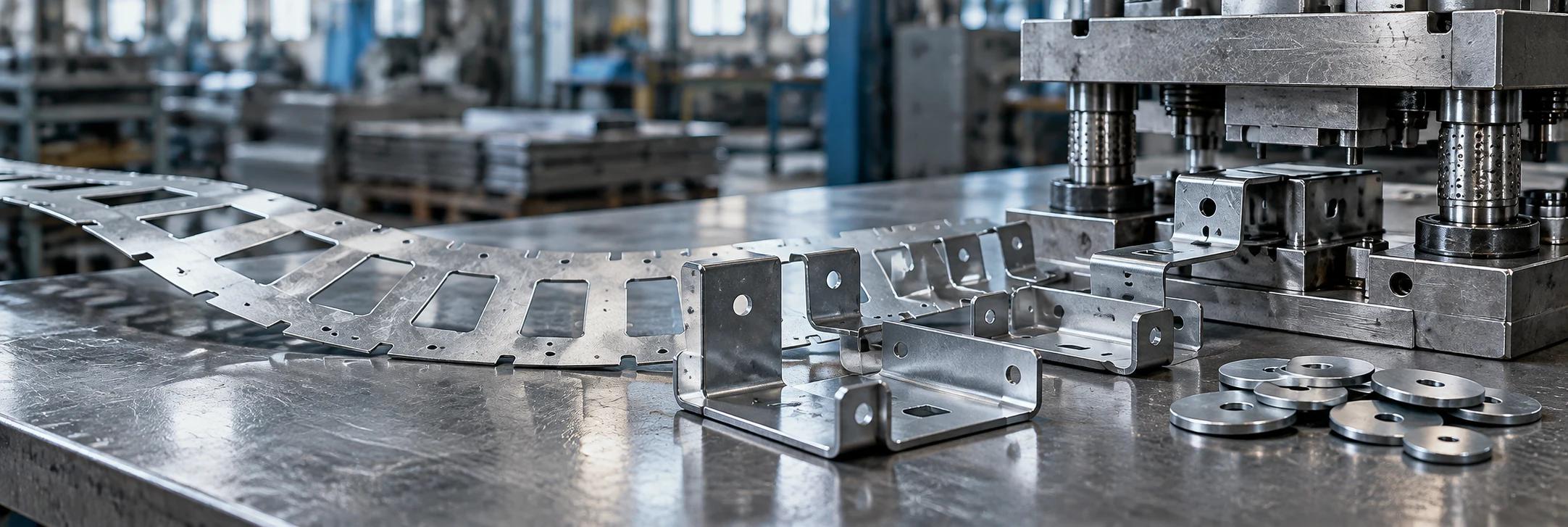
EMS develops tooling and dies for metal-stamping projects, starting with a drawing or sample. Engineering and toolmaking support connect the part design with its stamping requirements.
Engineering can combine several operations within one die. Discuss the material, features and related welding or assembly needs with EMS.
Shape the tooling approach around your part, material and required features.
Discuss punching, bending, forming, blanking and piercing within the die.
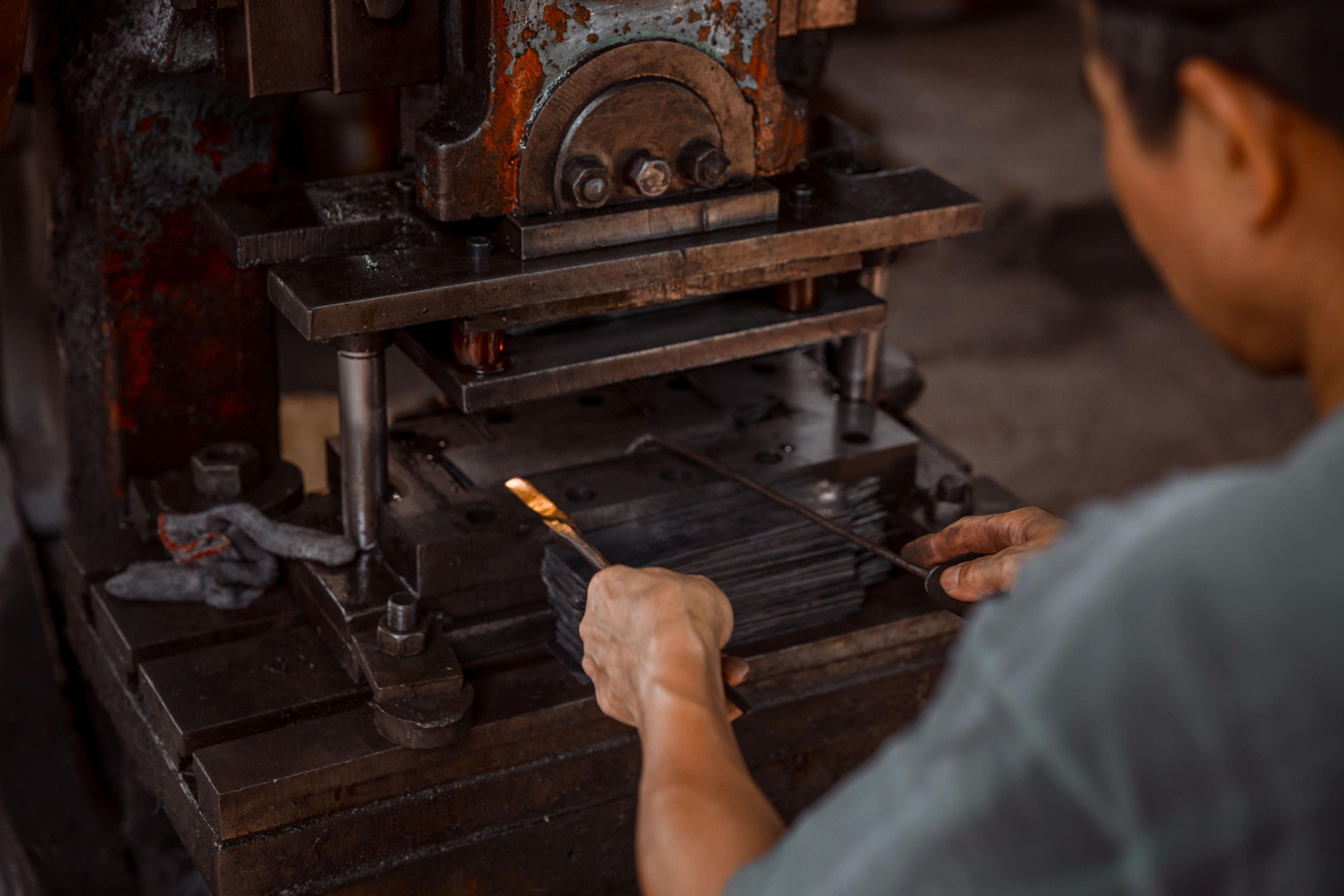
Include related welding and assembly requirements in the manufacturing scope.
Design engineers and toolmakers use the drawing or sample and CAD/CAM information to develop a manufacturing approach for the part. Describe its geometry, material and intended features for the tooling discussion.
CAD/CAM supports development from part concept through prototype and production.
Preventive maintenance of tooling, fixtures and machinery supports tool development and production. Development timing and production requirements should be agreed for the individual project.
Confirm the CAD format, file version and material thickness with EMS for your part.
Stamping operations include punching, bending, forming, blanking and piercing. Engineering can consider multiple operations within one die.
The tooling strategy focuses on reducing secondary operations, scrap and waste.
Materials for stamping include the following metals and material families. Discuss the particular material and thickness required for your part.
Discuss resistance spot welding and related assembly needs alongside the stamped part. Confirm the welding and assembly scope for the project with the technical team.
A few details help frame the conversation. Start with what you know; bring the open questions, too.
Talk through your requirementsShare a drawing or describe an existing sample. Add the material, thickness, part features and production expectations where known.
Identify bends, holes and formed features, and describe welding or assembly needs. Discuss how these relate to tooling and stamping with the technical team.
Include the material, thickness, CAD format and file version with your drawing for technical review.
Look for a manufacturer that can connect part design, tooling, stamping operations and related assembly requirements. EMS Technologies starts with a drawing or sample, and its engineering and toolmaking teams can discuss material, part features, punching, bending, forming, blanking and piercing. Program management supports coordination as the project moves from part information to tooling and production.
Bring the drawing or sample information, intended material, thickness and any welding or assembly needs. Discuss feasibility and project-specific requirements with EMS.
A meeting request opens your email app so you can arrange a conversation.

Connect part design, prototyping and mold making with engineering support from concept to production.

Milling, turning and wire EDM for metal and plastic parts, from simple turned components to complex geometries.

Coordinate board design, parts, electronic assembly, testing and final packaging within one project scope.
EMS Technologies uses cookies for analytics to improve this site. See our privacy policy.