Design for the build
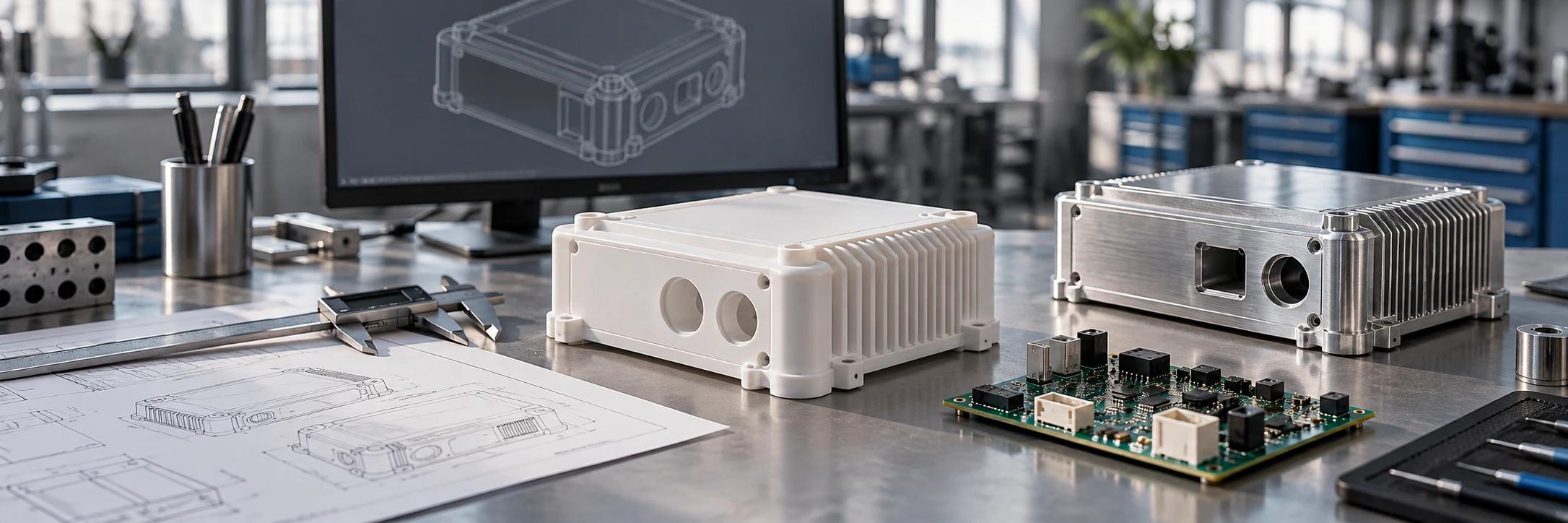
Address manufacturability while design changes can still be considered.
PCB assembly supported by in-house engineering, design for manufacturability and coordinated production and testing.
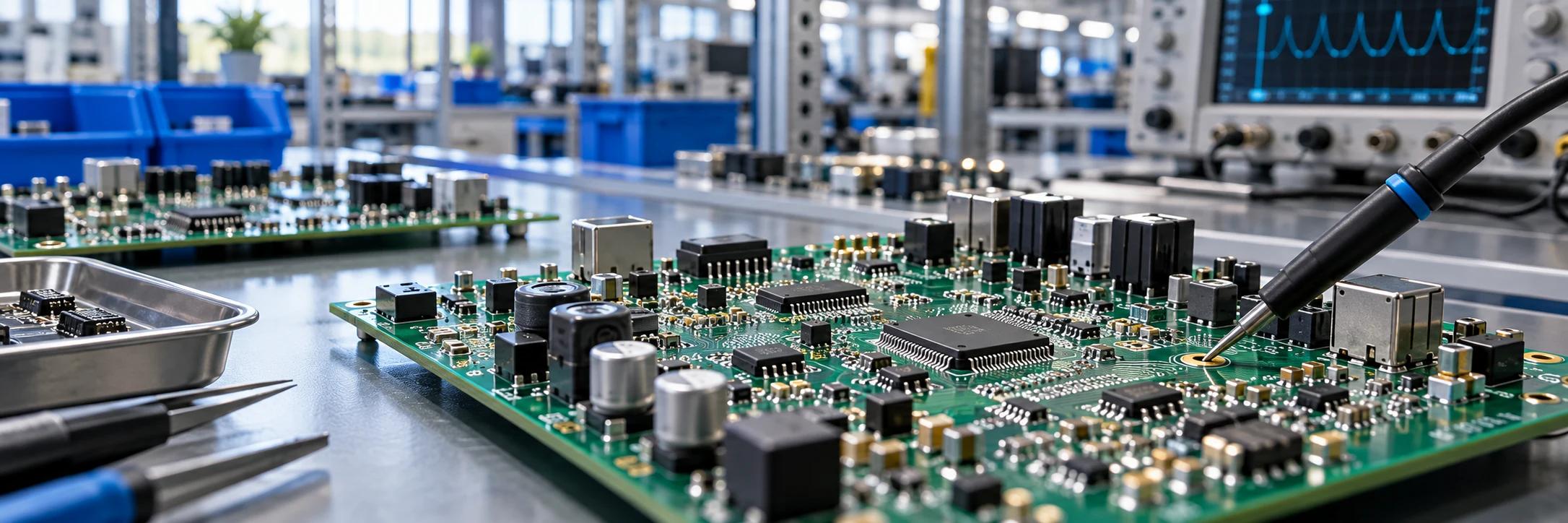
EMS Technologies' printed circuit board assembly service is a core competency in our product portfolio. In-house electronic and mechanical design engineering supports the project alongside hardware and software design, PCB layout and RF engineering.
Address manufacturability while design changes can still be considered.
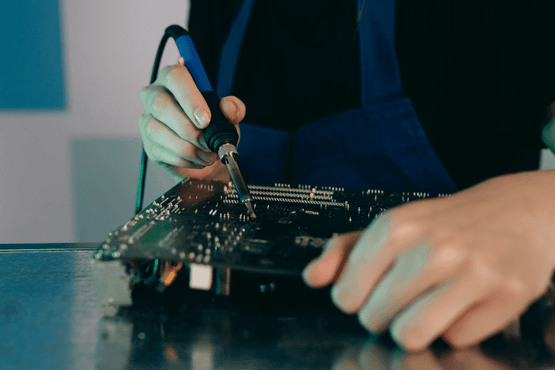
Discuss through-hole, SMT, mixed technology and BGA requirements.
Review in-circuit, functional and X-ray requirements for your board.
Our processes support a flexible manufacturing environment that responds to the evolving needs of our customers. Design for Manufacturability brings design changes and modifications into the discussion so that cost and production requirements can be considered together. Quality procedures and continual-improvement initiatives support PCB assembly.
The assembly method and test plan depend on the board and the finished product. Discuss the applicable methods, documentation and acceptance criteria with the technical team.
Quality procedures are monitored through all stages of PCB assembly, including handling BGAs and other high-end ICs. Planners structure the production schedule around the flow of raw materials. Production managers review work-in-progress reports and update program management; program managers relay information and respond to customer requests. Discuss production updates, work-in-progress information and the reporting cadence required for your program.
Streamlined communication connects manufacturing and program management. The final assembly stages include implementation of the project’s test procedures, inspection against agreed specifications, and packing of finished goods. Production schedules and the requirements of the wider supply chain are part of the project discussion.
Production requirements, work-in-progress information, inspection and testing, revision changes and customer updates.
Bring the information you have, and identify anything still being developed.
Talk through your requirementsAvailable board and assembly documentation, a BOM, intended assembly methods and test requirements provide a basis for reviewing the project.
Assembly methods include through-hole, mixed technology, SMT, double-sided SMT, BGA and uBGA. Test support includes in-circuit and functional testing and X-ray reporting. Define the methods and tests your board requires.
Revision and document control support the program. Discuss revision history, production information and reporting cadence when defining the project.
Outline the assembly scope, available BOM, board documentation and intended tests. Include revision or program-coordination needs you want to discuss.
A meeting request opens your email app so you can arrange a conversation.
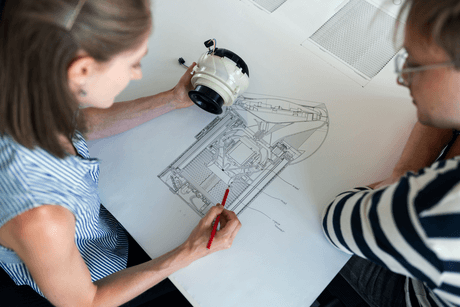
Systems, electronic, mechanical and software disciplines brought together around your product and manufacturing requirements.

Standard, custom and over-molded cable assemblies and wire harnesses built around your OEM application.
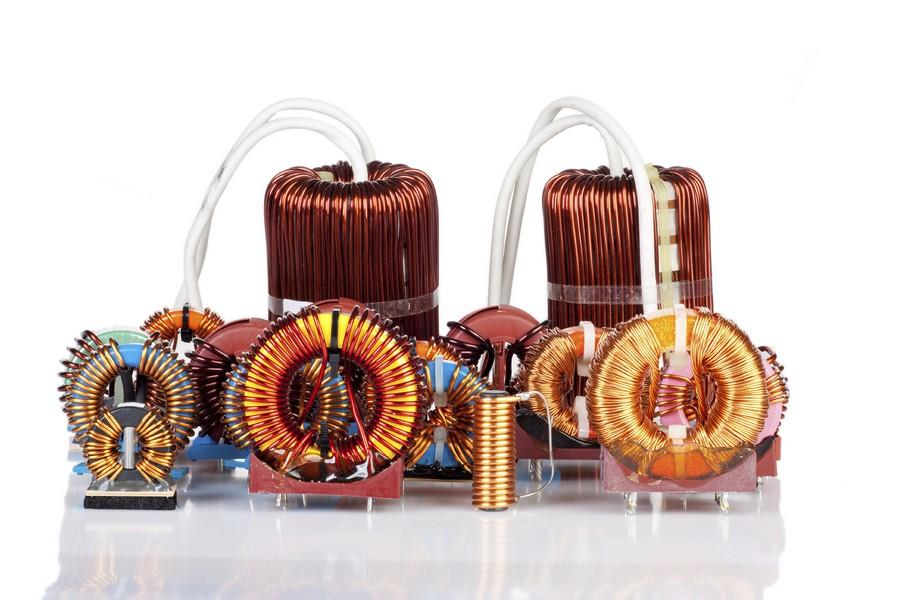
Custom magnetic devices for radio-frequency, telecom, power and audio applications.
EMS Technologies uses cookies for analytics to improve this site. See our privacy policy.