
One point of contact.Every step connected.
Your dedicated EMS program manager brings the people, technical details and schedules together. From the first RFQ to the final shipment.

Your voice.
Inside the process.
One dedicated program manager represents your requirements across the manufacturing team. The same coordinated approach supports a simple subassembly or a complex integrated system.
program manager
- Engineering
- Production
- Quality &
delivery
One conversation.
A coordinated manufacturing team.
- RFQs & commercial support
- Manage the RFQ process and support pricing, contract negotiations and program reviews.
- Schedules & milestones
- Organize, plan and direct program schedules around project deadlines and delivery requirements.
- Design & manufacturability
- Provide technical assistance with design decisions and how a product will be manufactured.
- Testing & reporting
- Coordinate prototype and production testing, supported by detailed reporting.
- Cross-team coordination
- Bring interdepartmental activities together around your project requirements.
- Quality & delivery
- Keep product quality, business metrics and delivery requirements in the program-management conversation.
From the first RFQ
to the final shipment.
Follow the activities your program manager coordinates throughout your product’s life cycle.
Select a stage to take a closer look.
Start with your requirements.
Your program manager manages the request-for-quotation process, bringing your product requirements into the manufacturing discussion.
Component or assembly scope, available drawings and the current development stage.
Bring the commercial details together.
Program-management support connects the proposal discussion with pricing, contract negotiations and program reviews.
Your commercial requirements, expected quantities and questions about the proposed scope.
Connect the order to the program.
The purchase order is part of the coordinated path from quotation into manufacturing, with program schedules and project requirements kept in view.
Order scope, timing expectations and key milestones for the project.
Plan for the materials ahead.
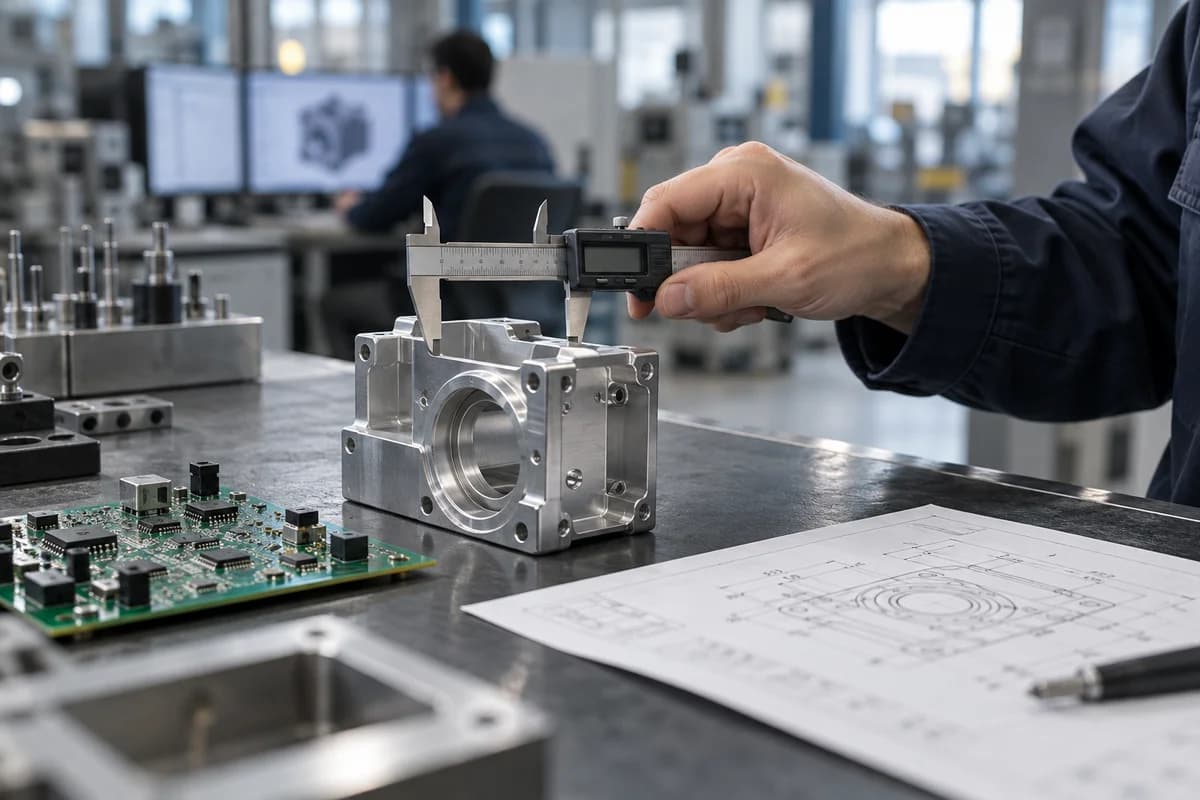
Materials procurement is coordinated within the program, connecting material needs with the wider manufacturing schedule.
Material specifications, sourcing requirements and dependencies that could affect timing.
Bring the components together.
Kitting connects materials and components with the next manufacturing activities. Your program manager coordinates the work across teams.
How components need to be grouped and any assembly or handling requirements.

Keep the order requirements in view.
Fulfillment is part of the end-to-end coordination of your project, alongside assembly, packaging and delivery requirements.
Packaging needs, order quantities and delivery destinations.
Verify the work. Share the detail.
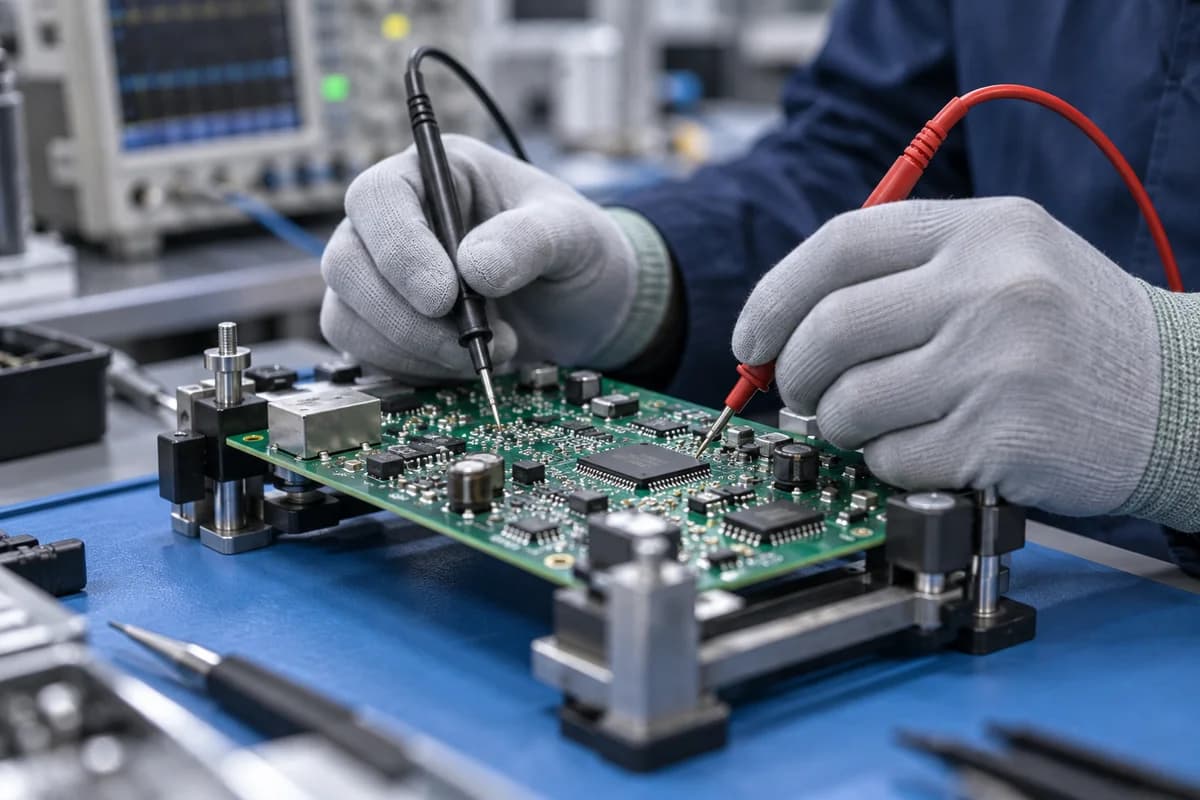
Your program manager coordinates prototype and production testing with detailed reporting, keeping product-quality requirements part of the discussion.
Testing requirements, acceptance criteria and the reporting your team needs.
Coordinate the final handoff.
Program management continues through shipment, connecting delivery requirements, deadlines and communication across the teams involved.
Delivery destinations, shipment timing and any final project dependencies.
A clearer picture.
Before we begin.
Practical answers for your first program-management conversation.
Who will coordinate my project?
EMS assigns a dedicated program manager to your project. They coordinate the RFQ process, program schedules, technical support and communication with the manufacturing teams.
Can EMS support a subassembly or a complete system?
Yes. EMS supports everything from simple subassemblies to complex system integration, with program management connecting the design and manufacturing requirements.
How are testing and reporting handled?
The program manager’s responsibilities include prototype and production testing with detailed reporting. Discuss your testing requirements, acceptance criteria and reporting needs as part of the project scope.
What should I share about schedules?
Bring your target milestones, timing expectations and technical dependencies. These help frame the discussion about program schedules, project deadlines and delivery requirements.