
Metal Fabrication 101: Processes, Materials & Uses
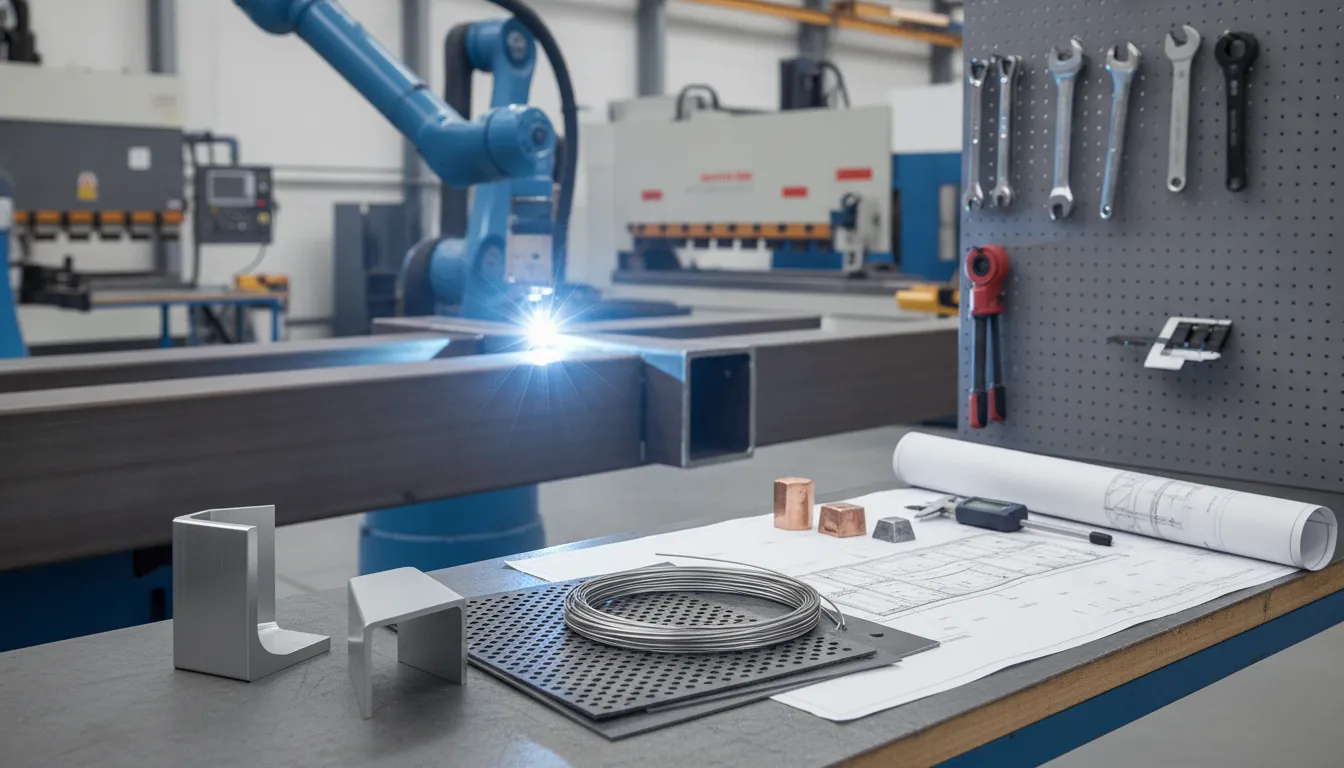
/ Company News / By
Chris Moats
Need a metal component that fits precisely, holds up in use, and works with the rest of your product? The details behind its production matter. Metal fabrication combines processes such as cutting, forming, machining, and joining to create parts built to specific requirements. Choosing a process is not just a shop-floor decision. It depends on the metal, the part’s geometry, the quantity you need, and whether it must fit with plastics, electronics, or other components. Understanding those factors can help you ask better questions and avoid costly changes later. Read on to learn how metal fabrication works and how engineering and manufacturing teams can coordinate each step.
Key Takeaways
- Choose fabrication processes to match the part: Consider its material, design, tolerances, and production volume when planning cutting, forming, machining, joining, and finishing.
- Review design and production needs early: Confirm material availability, tooling, critical dimensions, inspection criteria, and schedule expectations with your manufacturing partner.
- Coordinate components and assembly: For products that combine metal parts, plastics, and electronics, an integrated partner can help align engineering, production, and quality requirements.
What Is Metal Fabrication?
Metal fabrication turns raw metal into parts, structures, and assemblies through processes such as cutting, forming, machining, and joining. It can involve making a single custom component or producing parts for a larger product. The work begins with design requirements, including dimensions, material, tolerances, and how the part will function. Fabricators use those requirements to choose the right production steps and equipment.
A typical project moves from design to fabrication, and sometimes to installation. During fabrication, metal is shaped and prepared for use, then joined or assembled as needed. Metal fabrication supports products across industries such as construction, transportation, electronics, and industrial manufacturing. When a product combines metal parts with plastics or electronics, working with a partner that offers integrated manufacturing services can help coordinate the related production steps.
Turn Raw Metal Into Components and Assemblies
Fabrication starts with a design that explains what a part must do and how it needs to fit with other components. Based on those requirements, manufacturing teams choose suitable materials and processes. Metal may be cut to size, formed into shape, machined to meet tighter tolerances, or joined with other pieces. The result can be an individual component or a larger assembly.
Each project has its own production sequence. A simple bracket might need only cutting and bending, while a more complex product could require several parts, fasteners, and inspection. Planning the steps early helps teams account for fit, strength, and production requirements. Design, fabrication, and installation are common stages in a project, though not every manufacturer handles installation.
Fabricate Prototypes and Production Runs
Metal fabrication can support early prototypes as well as ongoing production. A prototype gives teams a chance to check a part’s dimensions, fit, and performance before producing larger quantities. If testing identifies an issue, the design can be adjusted and reviewed before production begins.
Once the design is ready, fabricators can make parts in quantities that suit the project. The right process depends on factors such as material, part complexity, production volume, and equipment needs. A method that works well for a short run may not be as efficient for higher volumes. Sharing both current demand and expected future needs with a manufacturing partner helps teams plan production and tooling around the product’s requirements.
Use Engineering and Tooling to Shape the Process
Engineering teams help translate a product design into a part that can be made consistently. They review dimensions, tolerances, material choices, and how each component will fit within the finished product. Early feedback can also identify design features that may add production time or make a part harder to manufacture.
Tooling guides or shapes material during processes such as stamping and forming. Its design affects part quality, repeatability, and production costs, so it should be considered alongside the product design. EMS Technologies combines engineering and program management with manufacturing capabilities, supporting customers as they coordinate design, tooling, and production requirements.
Which Processes Does Metal Fabrication Use?
Metal fabrication brings together processes that cut, shape, machine, join, and finish metal. The sequence depends on the part’s design, material, production volume, and performance requirements. A simple bracket may need only cutting and bending, while a complex assembly may require several operations and inspections. Planning these steps as a connected process helps ensure parts fit and perform as intended.
Cut, Blank, and Punch Metal
Cutting is often the first step in fabrication. Saws and shears can divide stock or sheet metal into workable pieces. For detailed shapes, fabricators may use laser, plasma, or waterjet cutting. The best method depends on factors such as material type, thickness, edge quality, and production volume.
Blanking and punching use a press and die to cut features from sheet metal. Blanking creates the outer shape of a part; punching makes holes or openings. Both methods can produce consistent results across repeated production runs. A fabricator selects the process based on the part’s design and the required quantity. The range of metal fabrication processes includes cutting, blanking, and punching methods.
Form, Bend, and Stamp Metal
Forming changes metal’s shape without removing material. A press brake bends sheet metal into angles, channels, or enclosures. Stamping presses use dies to create features such as flanges, ribs, and recesses. These processes can turn flat stock into three-dimensional parts with fewer separate components.
Material thickness, bend radius, grain direction, and springback can all affect the finished dimensions. For higher-volume production, a well-designed die can help create consistent parts over repeated cycles. Early engineering input helps confirm that the part can be made reliably and that its features suit the selected process. EMS Technologies offers metal stamping and tooling services to support production needs.
Machine, Die-Cast, and Perform Secondary Operations
Machining removes material to create precise dimensions, holes, threads, or surface features. Common methods include milling, turning, and drilling. It can produce a part directly or refine one made through casting or forming. Die casting uses pressure to fill a shaped die with molten metal, creating parts with detailed features and repeatable dimensions.
Manufacturers may combine these processes when a component needs both a near-net shape and close-tolerance details. Secondary operations can include deburring, tapping, reaming, and trimming excess material. Planning these steps together can reduce extra handling and support consistent results. Because machining and die casting are distinct processes, the right option depends on the part’s material, geometry, tolerances, and production volume.
Join, Weld, and Assemble Parts
Joining connects separate components to create a larger part or assembly. Welding fuses metal pieces together, while rivets, threaded fasteners, adhesives, and folded seams offer other options. The right method depends on the materials, joint design, strength requirements, appearance, and whether the connection may need to be disassembled.
Assembly can also bring fabricated metal parts together with mechanical or electrical components. A finished enclosure, for example, may need brackets, cables, or a printed circuit board installed before it is ready for use. Coordinating fabrication and assembly can simplify handoffs and help identify fit issues earlier. EMS Technologies provides PCB and cable assembly services alongside mechanical manufacturing capabilities.
Finish and Protect Surfaces
Finishing prepares a part for its intended use and environment. Depending on the material and specifications, operations may include grinding, deburring, polishing, blasting, priming, or painting. A coating can improve appearance and help protect a surface from corrosion, wear, or chemical exposure. Some finishes also support electrical performance or make a part easier to clean.
Choose the finish early enough to account for its effect on dimensions and fit. Coatings add thickness, for example, so holes, mating surfaces, and clearances may need to allow for that change. Inspection after finishing can confirm that parts meet visual and dimensional requirements before packaging or final assembly. Coordinating finishing with earlier operations can also reduce rework and unnecessary handling.
Use CAD/CAM, CNC, Laser Cutting, and Automation
Digital tools help manufacturers plan and control fabrication. Computer-aided design (CAD) software is used to develop part models, while computer-aided manufacturing (CAM) software helps translate designs into equipment instructions. CNC machines follow programmed instructions to cut or shape parts with repeatable accuracy. Laser cutting can produce detailed profiles, and automation can support tasks such as material handling and welding.
These technologies can improve consistency, especially for complex parts or repeat production runs. They still depend on sound design, accurate setup, and process checks. A digital file cannot resolve unclear tolerances or features that are difficult to manufacture. Bringing engineering and production teams together early helps align the design with available equipment and operations. Advances in metal fabrication technology continue to expand options for precision and automation.
Which Materials Do Fabricators Use?
Fabricators select materials based on a part’s function, operating environment, and manufacturing process. Weight, strength, corrosion resistance, availability, and cost all affect the decision. Choosing a material early helps teams plan the design and production steps around its properties.
Carbon and Stainless Steel
Carbon steel is a common option for parts that need strength and durability at a practical cost. Fabricators use it in forms such as sheet, plate, tubing, and structural shapes, then cut, stamp, bend, machine, or weld it to meet a design’s requirements. The right grade and thickness depend on the loads the part must handle and the conditions it will face.
Stainless steel is often chosen for its corrosion resistance, cleanability, or appearance. It can suit equipment and enclosures exposed to moisture or frequent cleaning, but performance varies by grade. The common forms of metal fabrication include plate, formed metal, tubing, and structural steel. Material grade and fabrication method both affect the finished part.
Aluminum, Copper, and Other Metals
Aluminum combines relatively low weight with corrosion resistance, making it useful for housings, frames, and components where mass matters. Its properties differ from steel, so a design may need adjustments to thickness, geometry, or joining methods.
Copper conducts electricity and heat well, so fabricators use it for components such as bus bars, terminals, and heat-transfer parts. Brass, titanium, and other specialty metals can meet specific needs, including wear resistance or a high strength-to-weight ratio. Each option also brings different sourcing, processing, and cost considerations. In demanding fields such as aerospace, metal components must meet precise performance needs under pressure and heat, as described in this overview of industries that rely on metal fabrication.
Choose Materials for Strength, Weight, Corrosion Resistance, and Cost
Start with the part’s purpose. Consider the loads it must carry, its exposure to moisture or chemicals, any weight limits, and its expected service life. Then compare materials against those needs and the project budget. A cost-effective metal may work well for an indoor component, while a part used in harsh conditions may call for greater corrosion resistance.
Also check material availability and how easily it can be processed. A difficult-to-source material or one that requires complex fabrication can add lead time and cost. Thickness, strength, and formability may affect whether a part can be stamped, bent, machined, or welded as planned. This guidance on metal fabrication challenges explains why teams should consider availability, cost, and manufacturability early in the design process.
See How Material Choices Affect Design and Processing
Material choice affects more than weight and durability. It can influence dimensions, tolerances, tooling, joining methods, and finishing. Forming and welding, for example, may cause variation or distortion. Designers should identify critical dimensions early and decide whether a surface will need secondary machining to meet requirements.
Tolerance planning helps teams control important features without specifying unnecessary precision elsewhere. It also connects the design to the intended production process, whether that involves stamping, machining, welding, or combining metal parts with electronic components. Understanding how fabrication can affect tolerances helps teams plan for distortion and post-weld machining. An integrated manufacturing partner such as EMS Technologies can coordinate engineering, tooling, and production considerations as a design develops.
Where Do Manufacturers Use Metal Fabrication?
Manufacturers use metal fabrication to create parts for vehicles, buildings, industrial equipment, electronics, and many other products. A part’s intended use shapes the choice of material, process, tolerances, and finish. For example, a component exposed to vibration may have different requirements from one designed to support a structure or protect electronics.
Fabrication can also be one step in a larger production plan. Parts may need to fit with molded plastics, circuit boards, wiring, or other components. Considering those connections early helps teams design parts that are practical to produce and assemble.
Automotive, Transportation, and Industrial Equipment
Automotive and transportation manufacturers use fabricated metal in vehicle components such as brackets, frames, supports, and enclosures. Depending on the design and production volume, fabricators may cut, stamp, form, machine, or join these parts. The same industries rely on fabricated metal in the tools and machinery used to assemble vehicles, as Camm Metals explains.
Industrial equipment makers also use fabricated parts for machine guards, structural supports, and custom components. Designers need to consider how parts will perform in use, how they connect to other components, and how consistently they can be made. Input from engineering and manufacturing teams can help identify fit or production concerns before a design moves into full production.
Construction and Infrastructure
Construction projects use fabricated metal for components such as staircases, fire escapes, catwalks, and decking. These parts may be made to meet specific building dimensions and project requirements. Their design needs to account for expected loads, connection points, and the conditions they will face once installed. Tuckey’s overview of metal fabrication applications describes how fabricated components support building structure and emergency access.
Material and finishing choices matter, too. A component used outdoors may need a protective finish suited to its exposure to moisture or other corrosive conditions. Clear drawings and coordination among designers, fabricators, and construction teams help ensure parts are made to specification and fit the project when they arrive on site.
Electronics and Manufactured Products
Fabricated metal is used in equipment housings, mounting plates, brackets, and protective enclosures. In electronic products, these parts can secure internal components and protect them within the finished product. Their dimensions, openings, and mounting features must work with circuit boards, connectors, cables, and other parts.
Precision is especially important for medical tools, where a component’s accuracy can affect its function and safety. Camm Metals discusses metal fabrication’s role in medical products. Across manufactured products, teams should account for tolerances, surface finish, and assembly requirements early in the design process. Doing so can reduce fit issues and support consistent production.
Turn Fabricated Components Into Integrated Assemblies
Fabricated parts often become components of a larger product rather than finished goods on their own. A complete assembly may combine metal parts with molded plastics, machined components, electronics, fasteners, and wiring. Teams need to plan how these pieces fit together, the order in which they are assembled, and how the finished product will be checked and packaged. Caster Connection highlights the challenge of integrating fabricated components.
A manufacturing partner that coordinates several production steps can simplify communication and help address issues across the process. For example, EMS Technologies provides metal fabrication, electronic assembly, and turnkey assembly services. When evaluating a partner, ask how its teams manage engineering input, production schedules, and quality checks across each stage.
How Does Metal Fabrication Differ From Welding and Installation?
Metal fabrication, welding, assembly, and installation are connected, but each describes a different part of a manufacturing project. Fabrication transforms raw metal into parts or structures. Welding joins metal pieces, assembly brings components together, and installation places a finished product at its destination. Understanding the differences helps you define project requirements, clarify handoffs, and find a manufacturing partner with the capabilities your project needs.
Combine Multiple Processes Through Fabrication
Metal fabrication is the broader process of making parts and structures from raw metal. Depending on the design, it can involve cutting, punching, forming, machining, welding, and finishing. A fabricator may carry out several of these steps before delivering individual components or a completed assembly.
The right process depends on the part’s material, dimensions, tolerances, and intended use. For example, a sheet metal enclosure may be cut, bent, joined, and coated before it is ready for assembly. EMS Technologies provides metal stamping and machining as part of its broader manufacturing services, with engineering and program management support to help coordinate production requirements.
Join Metal Parts With Welding
Welding is one method used to join metal parts during fabrication. It creates a connection by applying heat, pressure, or both. Before welding, teams position the pieces and check their alignment. They then join them according to the design specifications and quality requirements.
Not every fabrication project requires welding. A component may be made from one piece of metal, or parts may be joined using fasteners or another method. The best approach depends on the material, strength requirements, appearance, and how the product will be used. When a design calls for welding, that work is one step in the larger fabrication process. In other words, welding describes a joining method, while fabrication can include many operations.
Bring Components Together Through Assembly
Assembly is the process of bringing separate parts together to create a product or subassembly. Depending on the design, this may involve fabricated metal parts, fasteners, cables, circuit boards, or molded components. Assembly can take place after fabrication, or it can be coordinated as part of a broader manufacturing program.
This distinction matters when planning production. A supplier that makes fabricated parts may deliver them to another team for assembly. A partner with capabilities across multiple processes can coordinate component production and assembly, helping keep specifications and quality checks aligned. EMS Technologies supports mechanical and electronic manufacturing, including PCB and cable assemblies, which can help businesses plan connected production steps with one partner.
Fit Parts Into a Site or System Through Installation
Installation places a finished product or assembly at its intended destination. A fabricator might produce a metal frame or enclosure, for example, while an installation crew secures it in a building, vehicle, or production system. Installation may also involve connecting the product to existing equipment or infrastructure.
Because installation happens at the product’s destination, it brings different considerations than fabrication. Teams may need to account for access, mounting points, fit, and connections to nearby systems. Southern Metal Fabricators explains the distinction: fabrication makes the parts, while installation puts them in place. Defining who handles each step early can make responsibilities, delivery expectations, and handoffs clearer.
What Benefits, Challenges, and Safety Factors Should You Consider?
Metal fabrication can turn a design into durable, repeatable parts, but the results depend on more than the process you choose. Material selection, tolerances, production capacity, safety practices, and clear communication all affect quality, cost, and delivery. Consider these factors early, when your team still has room to refine the design or production plan.
Customize Products and Improve Strength, Durability, and Repeatability
Fabrication lets manufacturers tailor parts to a product’s requirements, from its dimensions and shape to how it connects with other components. The right combination of material and process can help a part withstand repeated use, meet a weight target, or resist corrosion. A heavy-equipment bracket, for example, may need to handle repeated loads, while an electronics enclosure may require precise dimensions and a protective finish.
Customization works best when teams consider the design, material, and manufacturing method together. A feature that looks simple on a drawing may be difficult to form or produce consistently. Metal fabrication transforms raw material into finished parts and products. Early engineering input helps confirm that a design meets its intended function and can be manufactured reliably across production runs.
Manage Lead Times, Scrap, Tolerances, and Equipment Capacity
Production schedules depend on material availability, tooling, machine capacity, and the complexity of each part. Tight deadlines can put pressure on quality, while inefficient material layouts, setup choices, or late design changes can increase scrap. Tolerances matter, too. Specifying tighter limits than a part requires may add machining and inspection steps without improving performance.
Discuss delivery expectations and critical dimensions with your manufacturing partner before production begins. Ask how the team plans to manage capacity, control material use, and respond to schedule changes. Identify which dimensions affect fit or function and where there may be room for flexibility. These conversations can help set realistic lead times and reduce rework. Common metal fabrication challenges include balancing schedule demands with quality and material waste, especially when working with costly metals.
Improve Manufacturability With Quality Checks and Early Engineering Input
Involve engineering and quality teams before finalizing a design. They can review how parts will be cut, formed, machined, joined, and inspected, then flag features that could complicate production. A tolerance review can show how dimensional variation across multiple operations might affect assembly or performance. Tolerance analysis helps teams assess this variation and make informed design choices.
Agree on inspection points and acceptance criteria before a production run. Depending on the part, checks may cover dimensions, material condition, surface finish, or fit within an assembly. Early reviews give the team time to address concerns before they affect a larger quantity of parts. A manufacturing partner with in-house engineering and program management can coordinate decisions across design, tooling, production, and quality. EMS Technologies describes its engineering and program management support as part of its manufacturing services.
Explore Trends in Robotics, Additive Manufacturing, and Digital Monitoring
Robotics and automation can handle repeatable tasks such as material movement, welding, and machine tending. CNC equipment and laser cutting support precise production, while additive manufacturing can be useful for prototypes or complex geometries. Digital monitoring can also give production teams clearer information about equipment performance and activity on the shop floor.
These technologies are tools, not automatic solutions. Their value depends on the part, material, production volume, and quality requirements. Ask a prospective partner which capabilities suit your project and how it checks the results. Trends in metal fabrication include automation and connected manufacturing, but the best process is the one that meets your product’s needs. For some projects, established methods remain the most practical choice.
Follow Safe Work Practices, Training, and PPE
Metal fabrication may involve sharp edges, hot surfaces, heavy materials, moving machinery, fumes, and loud equipment. Safe work starts with employees who understand the hazards of each task and follow established procedures. Depending on the work, personal protective equipment (PPE) may include safety glasses, gloves, hearing protection, protective clothing, or respiratory protection.
PPE should support a broader safety program, not take the place of hazard controls, equipment maintenance, or training. Employers need to assess workplace risks and provide appropriate instruction and protective gear. The Occupational Safety and Health Administration’s PPE guidance outlines common requirements and employer responsibilities. When evaluating a manufacturing partner, ask how it trains employees, maintains equipment, and checks safe work practices. A consistent approach helps protect workers and support reliable production.
Support Sustainability, Manage Programs, and Choose a Manufacturing Partner
Efficient material use, scrap reduction, and thoughtful process planning can help limit waste. Ask potential partners how they handle offcuts, select materials, and identify opportunities to reduce material or energy use. Set practical goals that can be measured, while keeping the part’s performance and quality requirements front and center.
Look beyond a single process when comparing manufacturers. A product may require tooling, stamping, machining, electronics, and final assembly, so coordination matters. Review a supplier’s engineering support, quality processes, capacity, and experience with similar work. Clear milestones and points of contact can help teams address design or schedule changes before they disrupt production. EMS Technologies’ manufacturing services cover mechanical and electronic production capabilities, including tooling, metal stamping, machining, PCB and cable assemblies, and turnkey assembly. Its integrated approach can help businesses coordinate multiple manufacturing needs with one partner.
Frequently Asked Questions
What information should I provide when requesting a metal fabrication quote? Share the part drawings or CAD files, material and finish requirements, critical dimensions, expected order quantity, and target delivery schedule. If the part will connect with electronics or other components, include those details too. Clear requirements help a manufacturer assess the right process and identify questions early.
How do I choose the right metal fabrication process? Start with the part’s purpose, material, geometry, required tolerances, and production volume. A manufacturer can review these factors and recommend a practical process or combination of processes. Early engineering input can also help identify design changes that may simplify production.
Can metal fabrication include prototypes as well as production parts? Yes. Fabrication can support early prototypes for checking fit and function, as well as repeat production once the design is ready. Discuss expected future volumes with your manufacturing partner so the team can consider tooling, equipment, and production planning from the start.
Can one manufacturing partner handle metal parts and electronics? Some partners offer both mechanical and electronic manufacturing, which can reduce handoffs between suppliers. EMS Technologies provides metal stamping and machining alongside PCB, cable, and turnkey assembly services, with engineering and program management support to coordinate related work.
How can I avoid unnecessary costs without compromising part quality? Focus tolerances on dimensions that affect fit or function, confirm material availability, and involve manufacturing teams before finalizing the design. Ask your partner to review tooling, production volume, and inspection needs. These steps can help prevent avoidable rework and keep the process aligned with the part’s requirements.